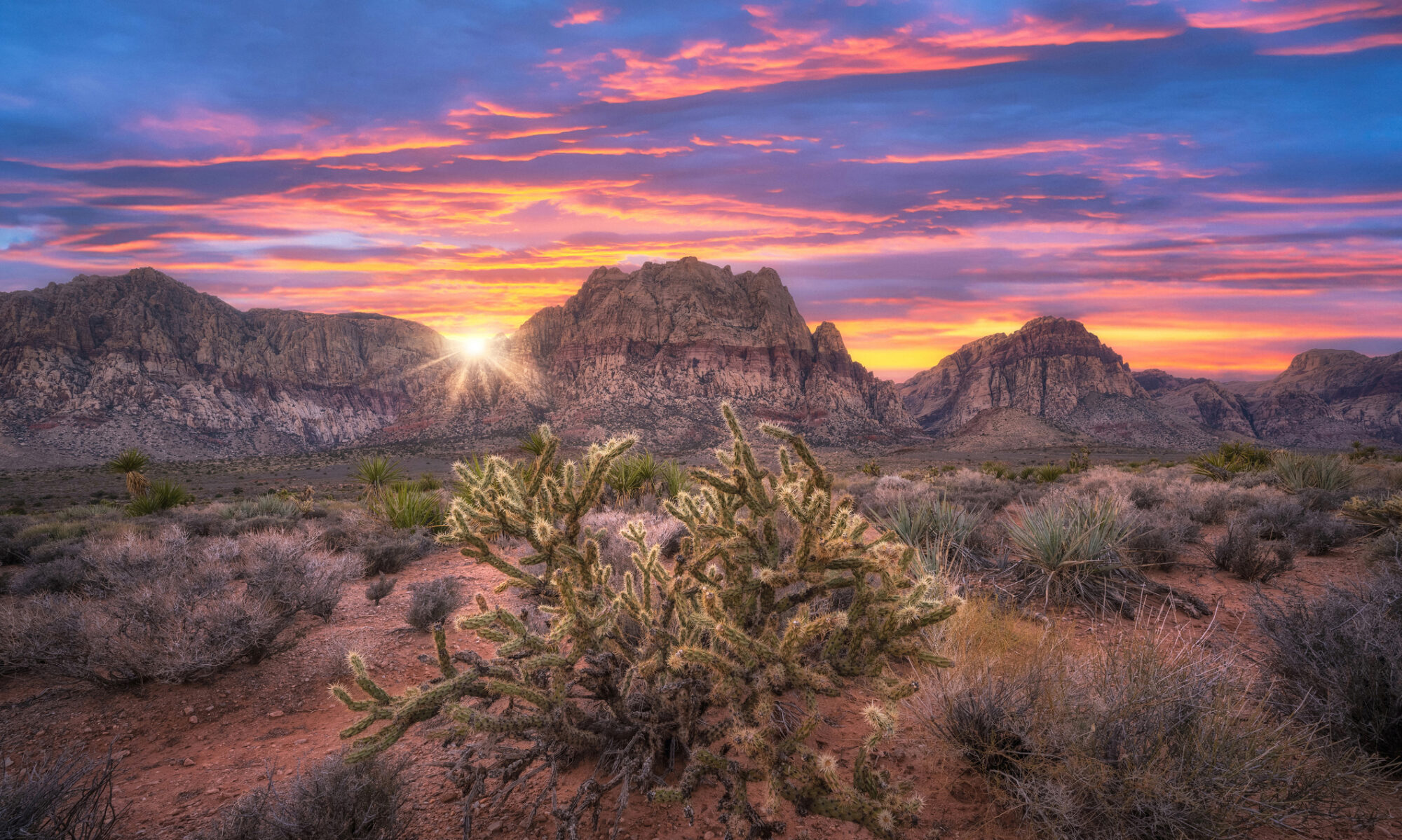

Located in the arid landscape of Clark County, Nevada, lies a geological wonder that ignites the imagination: the Valley of Fire State Park. More than just a patch of desert, this park is a vibrant canvas painted with swirling reds, oranges, and yellows, sculpted by eons of wind and water erosion, and imbued with a rich history that stretches back millennia. A visit to Valley of Fire is a journey through time, where ancient rock formations whisper tales of the Earth’s fiery past.
The park’s name is no accident. The stunning appearance is due to the prevalence of Aztec sandstone, massive formations of Jurassic-era rock that were formed from shifting sand dunes over 150 million years ago. The iron oxide content within the sandstone, essentially rust, is what gives the Valley of Fire its characteristic fiery hues. As the sun moves across the sky, the rocks seem to blaze with an inner glow, creating a surreal and unforgettable spectacle.
Beyond its breathtaking beauty, Valley of Fire is a haven for outdoor enthusiasts. Numerous hiking trails wind through the park, catering to all levels of experience. The Fire Wave Trail, a relatively short and easy hike, leads to a stunning, undulating rock formation that resembles a frozen wave of fire. The Mouse’s Tank Trail, named after a Paiute Indian who hid out in the area in the late 1800s, is a peaceful walk through a narrow canyon adorned with ancient petroglyphs. For a more challenging adventure, the White Domes Trail descends into a slot canyon revealing a kaleidoscope of colors and textures.
Speaking of petroglyphs, Valley of Fire boasts an abundance of these ancient rock carvings, offering a glimpse into the lives and beliefs of the early inhabitants of the region. These intricate symbols, etched into the sandstone by the Ancestral Puebloans, depict animals, hunting scenes, and abstract designs, providing valuable insights into their culture and connection to the land. Keep an eye out for these historical treasures as you explore – respecting their delicate beauty and preserving them for future generations.
While the vibrant rock formations are the main attraction, Valley of Fire also supports a surprising array of desert flora and fauna. Hardy desert plants like creosote bush, brittlebush, and various cacti thrive in the harsh environment, adding pops of green and yellow to the landscape. Keep an eye out for wildlife such as desert bighorn sheep, coyotes, lizards, and various bird species that call the park home.
Planning a trip to Valley of Fire requires some consideration. The best time to visit is during the cooler months, from October to April, as summer temperatures can be scorching. Be sure to bring plenty of water, sunscreen, and a hat, and wear sturdy shoes for hiking. Camping is permitted in designated campgrounds, allowing you to fully immerse yourself in the park’s serene beauty under a canopy of stars.
On November 22, 2025, the introduction of a brand-new, $30 million visitor center opened and the park is poised to enter a new era of exploration and discovery. This state-of-the-art facility will provide visitors with a wealth of information and resources, enhancing their overall experience and deepening their connection to this incredible natural wonder.
Valley of Fire State Park is more than just a scenic destination; it’s a testament to the power of nature and the enduring legacy of the past. It’s a place where you can walk in the footsteps of ancient people, marvel at the artistry of geological processes, and experience the raw, untamed beauty of the Nevada desert. So, pack your bags, lace up your hiking boots, and prepare to be captivated by the fiery magic of Valley of Fire. It’s a journey you won’t soon forget.
Valley of Fire State Park
29450 Valley of Fire Road
Overton, NV 89040
(702) 397-2088
https://www.Valley-Of-Fire.com