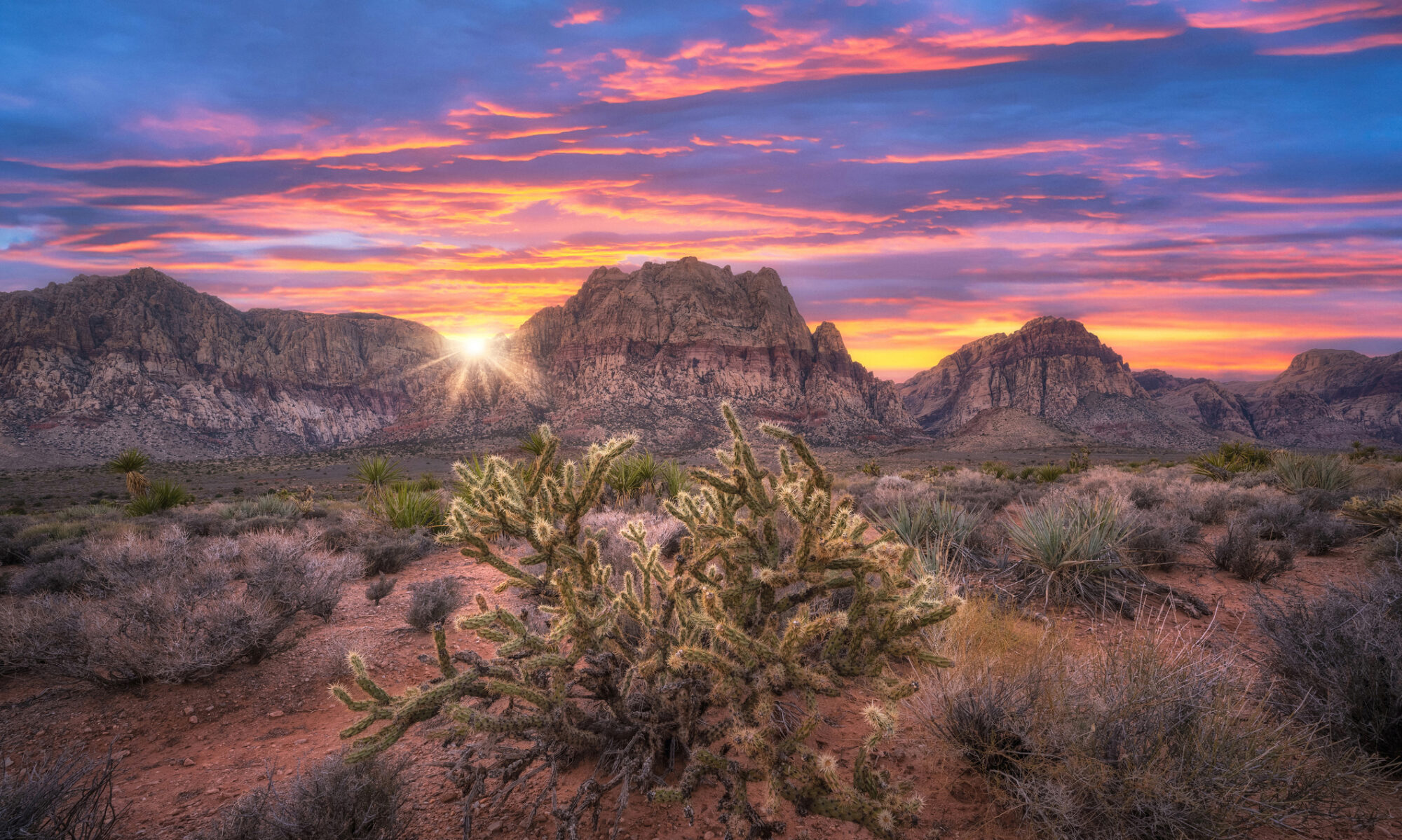
Mineral County, Nevada, often characterized by its rugged landscapes, sprawling deserts, and the iconic Hawthorne Army Depot, holds a hidden treasure within its arid beauty: a surprisingly diverse array of wildlife. From elusive predators to hardy desert dwellers, the county offers a glimpse into the resilience and adaptability of life in the harsh Great Basin.
While exploring this corner of the Silver State, keep an eye out for these fascinating creatures that call Mineral County home:
Mammals of the Desert and Mountains:
Mule Deer: Perhaps the most commonly sighted large mammal, mule deer roam the hills and valleys of Mineral County. They are recognized by their large, mule-like ears and their distinctive “stotting” gait – a bounding jump used for navigating uneven terrain. Look for them grazing in early morning or late evening.
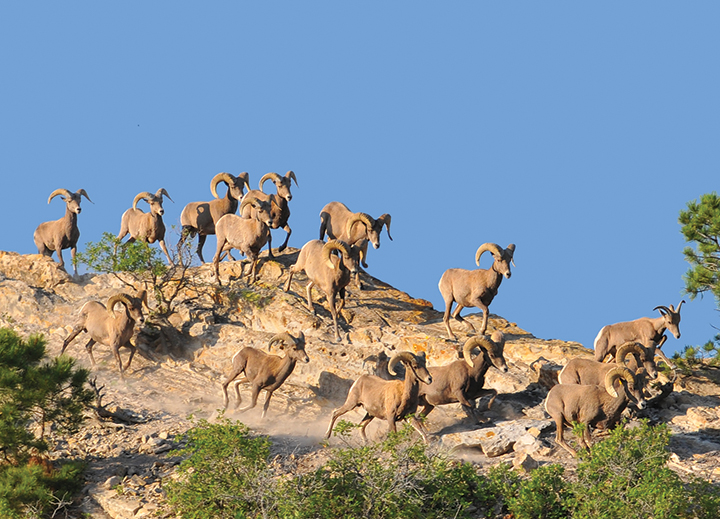
Desert Bighorn Sheep: These majestic creatures are a true testament to survival. Adapted to the steep, rocky terrain, Desert Bighorn Sheep are a sight to behold as they navigate the challenging landscape. Conservation efforts are crucial to maintaining their populations.
Coyotes: The adaptable coyote is a vital part of the ecosystem. These canids are opportunistic predators, feeding on rodents, rabbits, and even insects. Their haunting howls can often be heard at dusk and dawn.
Bobcats: More elusive than their canine counterparts, bobcats are skilled hunters that blend seamlessly into the brush and rocky outcrops. Keep a sharp eye out for their distinctive spotted coats and tufted ears.
Jackrabbits and Cottontail Rabbits: These long-eared herbivores are a staple food source for many predators in the area. They are masters of camouflage and can be surprisingly quick on their feet when threatened.
Rodents Galore: A variety of rodents, including kangaroo rats, ground squirrels, and pocket mice, play a critical role in seed dispersal and soil aeration. These smaller mammals provide food for larger predators and contribute to the overall health of the ecosystem.
Birds Soaring Above:
Raptors: Mineral County is a haven for birds of prey. Golden Eagles, Red-tailed Hawks, and American Kestrels soar through the skies, hunting for rodents and other small animals. Keep an eye out for them perched on power poles or circling overhead.
Desert Songbirds: Despite the arid environment, a surprising number of songbirds thrive in Mineral County. Western Meadowlarks, Black-throated Sparrows, and Sage Thrashers are just a few of the species that add melody to the landscape.
Waterfowl (near Walker Lake): While Mineral County is largely desert, Walker Lake provides a critical stopover for migrating waterfowl. Ducks, geese, and other water birds can be observed during the spring and fall migrations, making it a birdwatcher’s paradise.
Reptiles and Amphibians:
Lizards: A variety of lizards, including the Desert Spiny Lizard, the Western Whiptail, and the Great Basin Fence Lizard, are commonly found basking in the sun on rocks and sandy areas. They are an essential part of the desert food web, feeding on insects and small invertebrates.
Snakes: While the thought of snakes might inspire fear, they are a crucial part of the desert ecosystem. Gopher snakes, garter snakes, and, less commonly, rattlesnakes are present in Mineral County. It’s important to be aware of your surroundings and give snakes plenty of space.
Amphibians (limited near water sources): Certain areas with perennial water sources, such as springs and creeks, can support amphibians like the Pacific Treefrog. These tiny creatures play a vital role in the local ecosystem and are indicators of water quality.
Respecting Wildlife and Their Habitat:
When exploring Mineral County’s wild landscapes, it’s crucial to remember that we are visitors in their home. Here are a few tips for respecting wildlife and their habitat:
Observe from a Distance: Avoid approaching or disturbing animals. Use binoculars or a spotting scope to observe them from afar.
Leave No Trace: Pack out everything you pack in, and avoid leaving any food or trash behind.
Stay on Designated Trails: This helps minimize disturbance to vegetation and wildlife habitat.
Be Aware of Your Surroundings: Watch out for snakes, scorpions, and other potentially dangerous animals.
Respect Private Property: Be sure to obtain permission before entering private land.
Mineral County’s wildlife is a valuable resource that deserves our protection. By respecting their habitat and following responsible wildlife viewing practices, we can ensure that future generations will have the opportunity to experience the wonders of this unique desert ecosystem.
So, the next time you find yourself in Mineral County, take a moment to appreciate the diverse and resilient wildlife that calls this rugged landscape home. You might just be surprised by what you discover.